 A budding anthropologist, who was completing her doctoral thesis while on location in Spain, proposed a game to some children in a small village.
She placed a basket of enticing- looking sweets near a tree early one morning.
That afternoon, after all the children were aware of the basket - and all of them wanted one of the treats - the researcher told them that whoever got to the tree first could have all the goodies in the basket.
She did not lay out any rules or requirements, nor did she encourage the children to pursue the basket with any guidance at all on her part. Seated nearby, she simply held her notebook in her lap and waited, expecting to observe various approaches and plans from the different children, all trying to obtain the basket for themselves.
When she gave the signal to go, all the children gathered together in a huddle and talked in quiet tones with some interjected giggles, then held each other’s hands and ran to the tree together and worked as a group to pull down the basket.
As promised, the anthropologist let the children enjoy the whole basket of treats, but simultaneously asked them why they’d decided to run together as a group and split the treats amongst themselves. One tall child looked at her and, with genuine confusion on his face, asked:
“How can any of us be happy by taking something away from another person?”
“It is only by winning as one that we all win,” the child proclaimed.
 Vancouver, BC – September, 2021. The British Columbia Real Estate Association (BCREA) reports that a total 9,507 residential unit sales were recorded by the Multiple Listing Service® (MLS®) in August 2021, a decrease of 7.1 per cent over August 2020. The average MLS® residential price in BC was $901,712, a 17.2 per cent increase from $769,691 recorded in August 2020. Total sales dollar volume was $8.6 billion, an 8.9 per cent increase from last year.
 While inflation continues to run ahead of the Bank of Canada's 2 per cent target, the driving force behind rising prices is still isolated to a few categories of spending. In particular, the rising price of gasoline and the run-up in Canadian home prices since last year. Home prices in Canada are beginning to flatten out, which should mean a fading impact on inflation over the next year. Likewise, the impact of gas prices should continue to decline as base-year effects have less influence. Other issues putting upward pressure on consumer prices are being driven by bottlenecks and supply shortages – which are issues that monetary policy cannot address. Higher interest rates may stifle demand, but they do not fix microchip shortages.


 Give people your full attention. Concentrate on their words to the exclusion of everything else. Don’t plan your response while they’re still speaking, and don’t use a pause to steer the conversation around to another topic.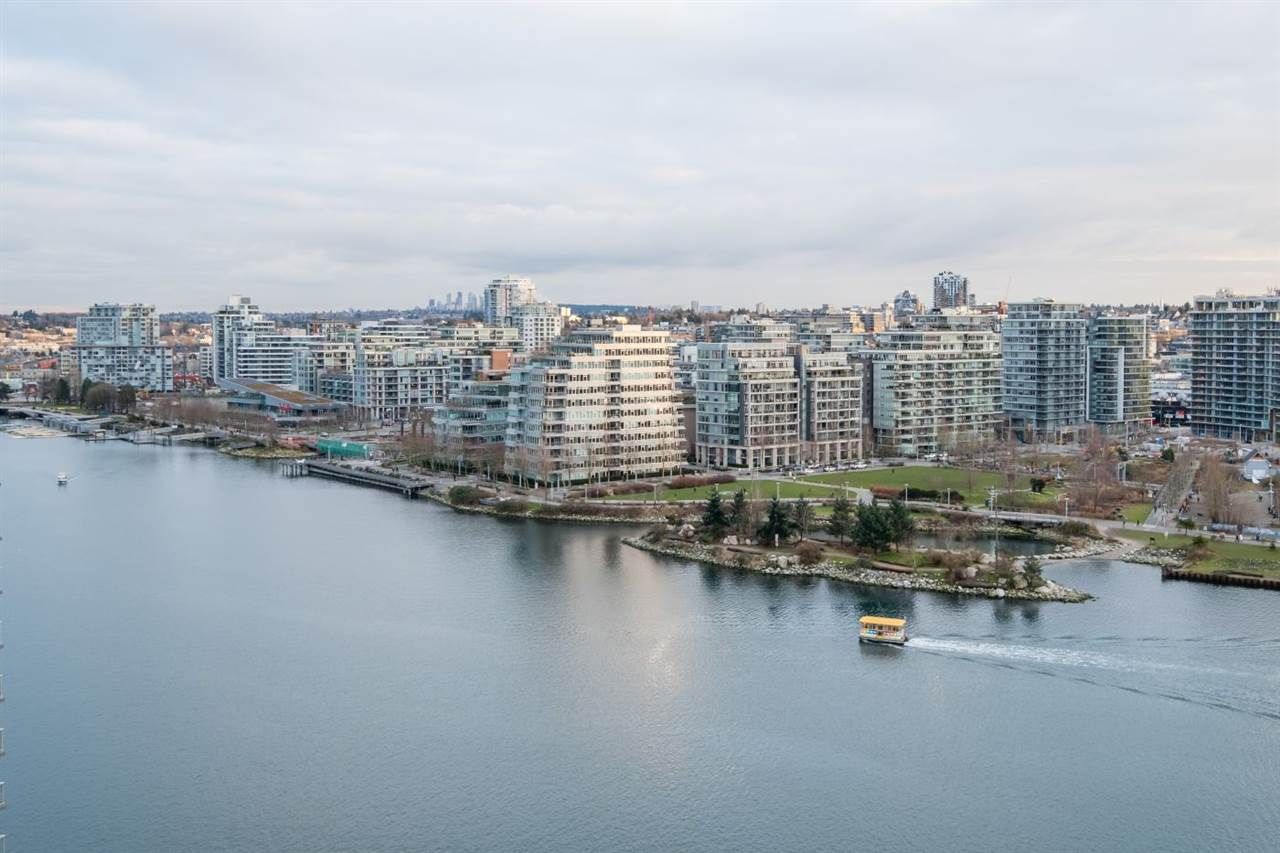

 The data relating to real estate on this website comes in part from the MLS® Reciprocity program of either the Greater Vancouver REALTORS® (GVR), the Fraser Valley Real Estate Board (FVREB) or the Chilliwack and District Real Estate Board (CADREB). Real estate listings held by participating real estate firms are marked with the MLS® logo and detailed information about the listing includes the name of the listing agent. This representation is based in whole or part on data generated by either the GVR, the FVREB or the CADREB which assumes no responsibility for its accuracy. The materials contained on this page may not be reproduced without the express written consent of either the GVR, the FVREB or the CADREB.