One of the year's most reliable sky shows, the Leonid meteor shower, peaks around November 17 and 18. On a clear, dark night, expect ten to fifteen meteors an hour.
You are watching very old dust. Every 33 years, Comet Tempel-Tuttle passes through the inner solar system, leaving a trail of debris. Earth crosses it each November, and the particles hit our atmosphere at roughly 44 miles per second, making the Leonids among the fastest meteors we see. Most are no bigger than a grain of sand; the streak is not the particle but the column of superheated air behind it, 50 to 70 miles overhead.
Every few decades Earth crosses a denser clump, and the shower becomes a storm. In
1833, observers reported thousands an hour, so thick that people woke their neighbors. It happened again in 1966 and, more modestly, in 2001.
There is no equipment needed. Find a spot away from streetlights, give your eyes 20 minutes to adjust, and look up. The meteors radiate from Leo, rising in the east after midnight, but can flash anywhere. Dress warm and be patient.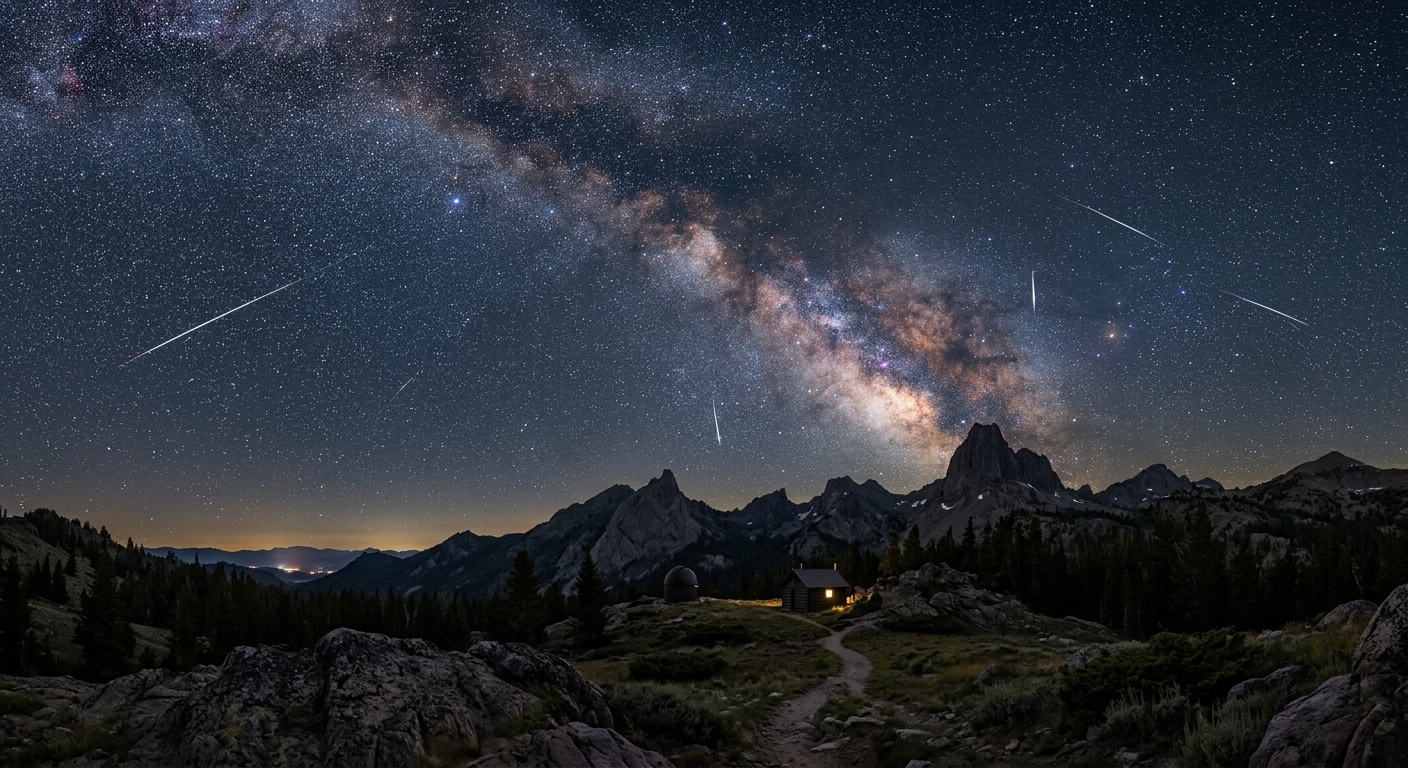
 The data relating to real estate on this website comes in part from the MLS® Reciprocity program of either the Greater Vancouver REALTORS® (GVR), the Fraser Valley Real Estate Board (FVREB) or the Chilliwack and District Real Estate Board (CADREB). Real estate listings held by participating real estate firms are marked with the MLS® logo and detailed information about the listing includes the name of the listing agent. This representation is based in whole or part on data generated by either the GVR, the FVREB or the CADREB which assumes no responsibility for its accuracy. The materials contained on this page may not be reproduced without the express written consent of either the GVR, the FVREB or the CADREB.
Comments:
Post Your Comment: