Dreaming of bright blooms and a welcoming front yard next spring? Early fall is the perfect time to get started. September and October offer cooler temperatures and warm soil, creating ideal conditions for planting bulbs and shrubs before winter arrives.
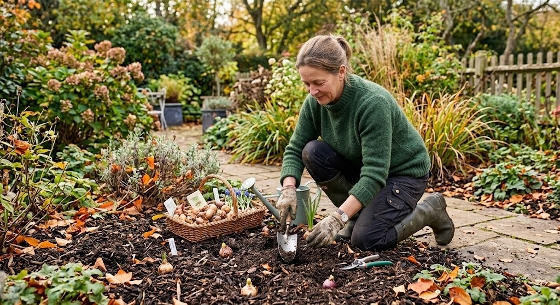
Classic spring favorites like crocuses, tulips, and daffodils thrive in most well-draining soils and reward gardeners with some of the earliest color of the season. When planting bulbs, pay attention to their shape. Teardrop-shaped bulbs should be planted with the pointed end facing up and the wider end down. Not sure which side is which? Plant the bulb sideways. Nature usually finds a way.
Planting depth matters, too. Bulbs planted upside down often use too much energy trying to reach the surface, which can reduce or prevent blooming. After planting, give them a healthy start with bulb fertilizer to encourage strong roots and vibrant flowers.
If your daffodils produced leaves this year but no blooms, overcrowding may be the culprit. Over time, bulbs multiply underground and compete for nutrients and space. Fall is the ideal time to dig them up, gently separate the clusters, and replant them with more room to grow.
Another common reason bulbs fail to bloom is cutting foliage back too early. Those green leaves are more than just leftover growth. They collect sunlight and store energy for next year’s flowers. Allow foliage to yellow naturally or wait at least six weeks after flowering before trimming it away.
Fall is also one of the best seasons to plant new shrubs. Cooler weather reduces stress on young plants while roots continue developing underground. For best results, plant shrubs at least six weeks before the first hard frost so they have time to establish before winter settles in.
A little effort this fall can transform your landscape into a colorful, thriving garden next spring.
 The data relating to real estate on this website comes in part from the MLS® Reciprocity program of either the Greater Vancouver REALTORS® (GVR), the Fraser Valley Real Estate Board (FVREB) or the Chilliwack and District Real Estate Board (CADREB). Real estate listings held by participating real estate firms are marked with the MLS® logo and detailed information about the listing includes the name of the listing agent. This representation is based in whole or part on data generated by either the GVR, the FVREB or the CADREB which assumes no responsibility for its accuracy. The materials contained on this page may not be reproduced without the express written consent of either the GVR, the FVREB or the CADREB.
Comments:
Post Your Comment: