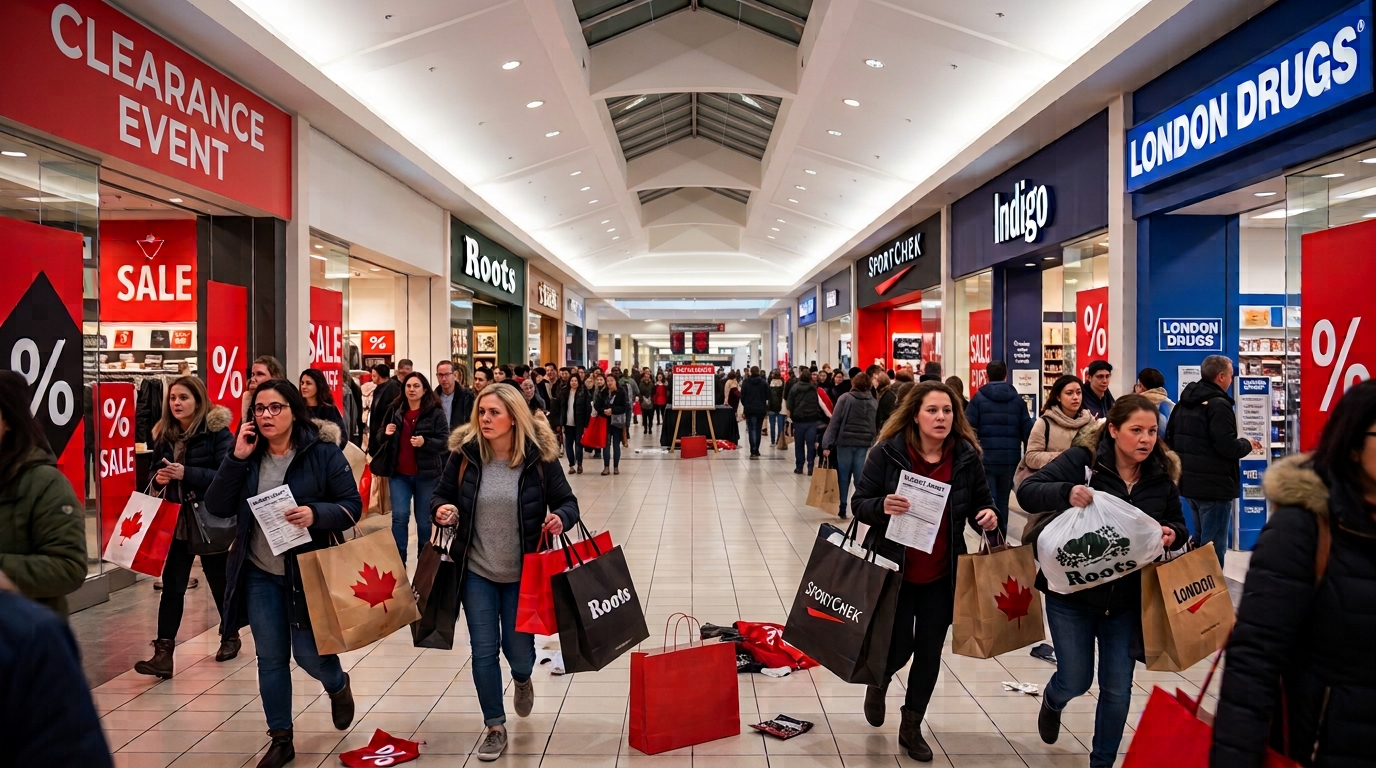
Black Friday falls on November 27, though the deals will have been running for weeks by then. The sales are real, but so is the pressure to buy quickly, and that combination is where budgets tend to come apart.
Check the price history. Browser extensions and price tracking sites will show you what an item actually sold for over the past several months. A "50% off" tag means very little if the item was marked down almost as far in September.
Watch for doorbuster models. Some heavily advertised televisions and appliances are built specifically for holiday sales, with lower-end components and slightly different model numbers than the version reviewed online. Compare the exact model number before you commit.
Read the return window. Holiday return policies vary widely, and some retailers shorten the window on clearance items or exclude them entirely. If it is a gift, confirm the recipient can return it without your receipt.
Use a credit card. Credit cards offer stronger fraud protection than debit cards, and many add extended warranty or purchase protection at no cost.
Finally, decide what you are buying before the sales start. A list written in a calm moment is the best defense against a countdown clock on a website.
 The data relating to real estate on this website comes in part from the MLS® Reciprocity program of either the Greater Vancouver REALTORS® (GVR), the Fraser Valley Real Estate Board (FVREB) or the Chilliwack and District Real Estate Board (CADREB). Real estate listings held by participating real estate firms are marked with the MLS® logo and detailed information about the listing includes the name of the listing agent. This representation is based in whole or part on data generated by either the GVR, the FVREB or the CADREB which assumes no responsibility for its accuracy. The materials contained on this page may not be reproduced without the express written consent of either the GVR, the FVREB or the CADREB.
Comments:
Post Your Comment: