Very hot weather can do more than make people uncomfortable. Studies show that when temperatures rise above 90°F, injuries increase because heat can affect concentration, energy levels, and the body’s ability to cope with stress.
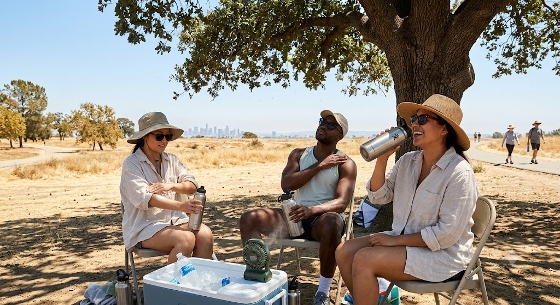
Drink plenty of fluids. Stay hydrated throughout the day, especially during physical activity or time outdoors. Water is usually best, and sports drinks can help replace fluids and minerals lost through heavy sweating.
Dress for the heat. Choose lightweight, loose-fitting, light-colored clothing that allows air to circulate. A wide-brimmed hat and sunglasses can provide additional protection from direct sunlight.
Use sunscreen. Apply sunscreen before going outdoors and reapply during the day. Sunburn damages the skin and makes it harder for the body to regulate its temperature.
Pace yourself. When working, exercising, or playing sports outside, start slowly and take regular breaks. Avoid the hottest part of the afternoon when possible.
Take breaks in the shade. Resting in shaded areas allows the body time to cool down and recover, especially during long periods outside.
Watch for warning signs. Symptoms like dizziness, weakness, confusion, nausea, or heavy sweating may signal heat exhaustion. If they occur, stop activity and move to a cooler place right away.
Look out for others. Check on family members, neighbors, children, and pets during very hot days. Some people are more sensitive to extreme heat.
Cool down indoors when possible. Air-conditioned spaces help the body recover from heat exposure. Even a short break indoors or a cool shower can make a difference.
 The data relating to real estate on this website comes in part from the MLS® Reciprocity program of either the Greater Vancouver REALTORS® (GVR), the Fraser Valley Real Estate Board (FVREB) or the Chilliwack and District Real Estate Board (CADREB). Real estate listings held by participating real estate firms are marked with the MLS® logo and detailed information about the listing includes the name of the listing agent. This representation is based in whole or part on data generated by either the GVR, the FVREB or the CADREB which assumes no responsibility for its accuracy. The materials contained on this page may not be reproduced without the express written consent of either the GVR, the FVREB or the CADREB.
Comments:
Post Your Comment: