Thousands of years ago, ancient Egyptians sealed jars of honey inside tombs built for pharaohs. According to one famous story, archaeologists later uncovered some of that honey and found it still edible. While historians debate whether that exact discovery ever happened, the science behind it is completely real: Honey is one of the few foods on Earth that can last for centuries.
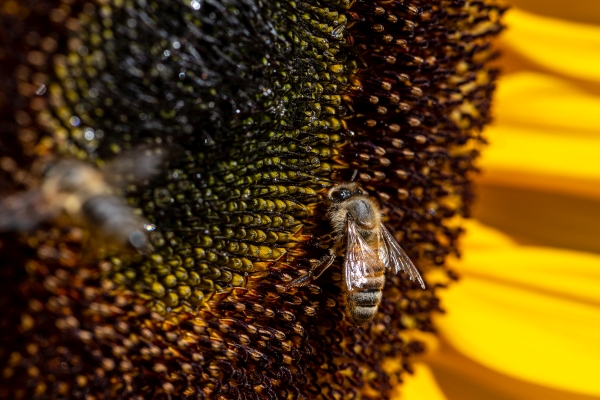
What makes honey so remarkable is that nature designed it to protect itself. It contains almost no water, which means bacteria and microorganisms cannot survive inside it. Honey is also naturally acidic, creating another barrier against spoilage. Even the bees contribute to its preservation. As they transform nectar into honey, enzymes in their bodies produce compounds like hydrogen peroxide and gluconic acid, both of which help stop bacterial growth.
That same chemistry made honey valuable long before modern medicine existed. Ancient civilizations used honey to treat wounds and burns because it could help prevent infection.
Sumerian records from 1900 BC even mention honey as a healing treatment, showing that people recognized its value thousands of years ago.
What makes honey fascinating is not just that it lasts, but why it lasts. Its strength comes from every element working together with precision and purpose.
There is a lesson in that. The things that endure are rarely loud or complicated. They are built on strong foundations, protected at their core, and designed to stand the test of time.
 The data relating to real estate on this website comes in part from the MLS® Reciprocity program of either the Greater Vancouver REALTORS® (GVR), the Fraser Valley Real Estate Board (FVREB) or the Chilliwack and District Real Estate Board (CADREB). Real estate listings held by participating real estate firms are marked with the MLS® logo and detailed information about the listing includes the name of the listing agent. This representation is based in whole or part on data generated by either the GVR, the FVREB or the CADREB which assumes no responsibility for its accuracy. The materials contained on this page may not be reproduced without the express written consent of either the GVR, the FVREB or the CADREB.
Comments:
Post Your Comment: