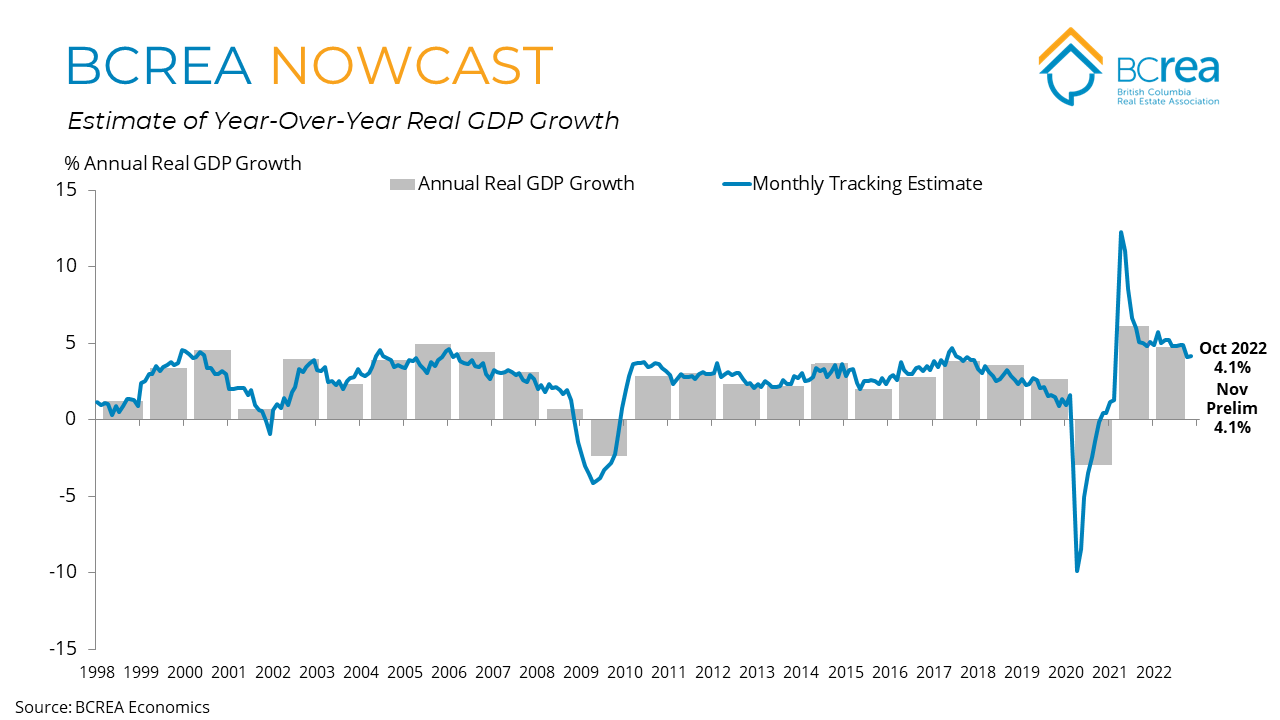
The Canadian economy grew 0.1 per cent in November, matching the rate of growth in October. In contrast to the pandemic economy of the previous two years, the services sector is now leading the economy while goods producing sectors struggle. Overall, growth was fairly broad-based with 14 of 20 Canadian industrial sectors posting positive growth. Rising interest rates continue to impact highly rate-sensitive sectors like residential construction and real estate. Residential construction activity contracted 1.8 per cent in November and output from offices of Real Estate Agents and Brokers fell 4.2 per cent, the ninth consecutive monthly decline in that sector.
With November's data and Statistics Canada's preliminary estimate of zero growth in December, the final quarter of 2022 likely saw growth of 1.6 per cent on an annualized basis. While GDP data is showing signs of a slowing economy, that slowdown has yet to show up in the labour market where job gains remain robust and the unemployment rate is at a historical low. However, we expect that as higher interest rates begin impacting the wider economy this year, slowing growth will catch up to the labour market. That outlook is shared by the bond market where long-term rates have been falling as investors price in expectations of a slowing economy. If that trend continues, we should see further relief on fixed mortgage rates this year while variable rate holders will have to wait for a pivot to lower rates from the Bank of Canada.
Link: https://mailchi.mp/bcrea/canadian-real-gdp-growth-november-2022
For more information, please contact: Gino Pezzani.
 Metro Vancouver home sales set or neared historic records in 2021 and 2022 on both ends of the spectrum. Sales activity hit a record high in March of 2021 and closed 2022 near historic lows after accounting for typical seasonal variation.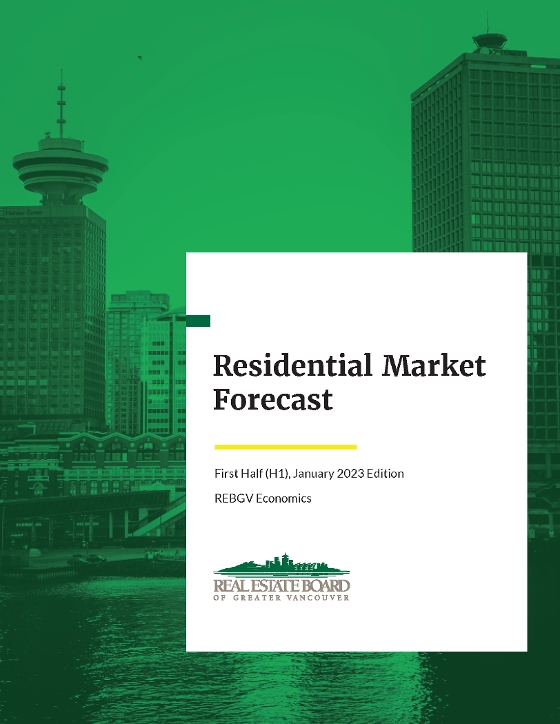
 1 large butternut squash, peeled and sliced (discards seeds and pulp)
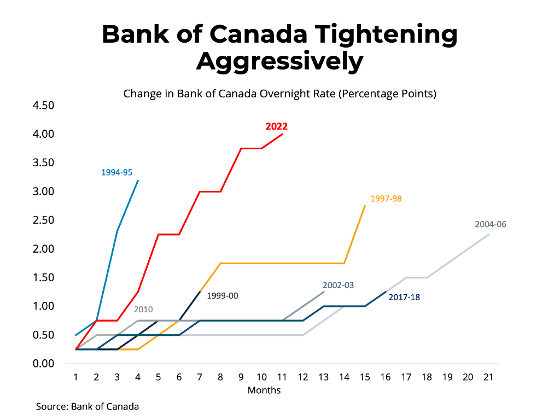
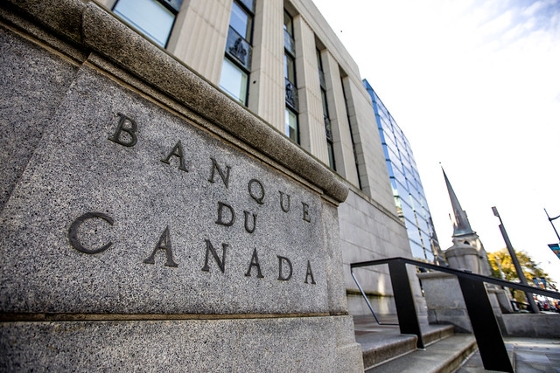 The Bank of Canada raised its overnight policy rate by 25 basis points to 4.5 per cent this morning. In the statement accompanying the decision, the Bank noted that recent economic growth in Canada as been stronger than expected and labour markets remain tight but it sees growing evidence that monetary policy is working to slow the economy. The Bank expects the economy to stall through the middle of 2023 before picking up later in the year. The Bank sees improvement in the inflation outlook with signs that core inflation has peaked and it projects a significant decline in inflation this year. It expects inflation to return to its 2 per cent target by 2024.
 The speculation and vacancy tax is an annual tax based on how owners use residential properties in areas in B.C. affected most by the current housing shortage crisis.
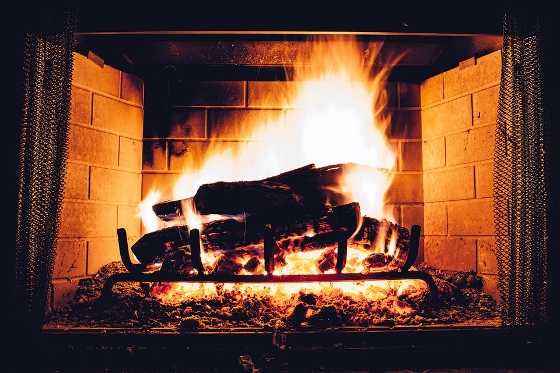 Heating equipment is the second-leading cause of home fires in North America. But during winter, it is the leading cause according to the National Fire Protection Association. To avoid home-heating fires, remember these rules:


 The data relating to real estate on this website comes in part from the MLS® Reciprocity program of either the Greater Vancouver REALTORS® (GVR), the Fraser Valley Real Estate Board (FVREB) or the Chilliwack and District Real Estate Board (CADREB). Real estate listings held by participating real estate firms are marked with the MLS® logo and detailed information about the listing includes the name of the listing agent. This representation is based in whole or part on data generated by either the GVR, the FVREB or the CADREB which assumes no responsibility for its accuracy. The materials contained on this page may not be reproduced without the express written consent of either the GVR, the FVREB or the CADREB.